



Nova Scotia will soon put up signs marking the 52 historic African Nova Scotian communities across the province, in a move aimed at highlighting the province’s rich Black heritage.

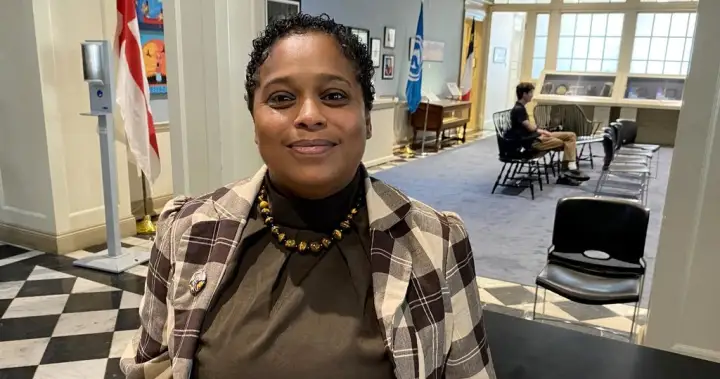
NDP member Suzy Hansen brought forward the motion in the legislature Friday, which unanimously passed without debate. Hansen said the rare moment of unity in the chamber was emotional, and she’s “overjoyed” by the all-party support.
“I think this is a huge step forward in recognizing us as a distinct people in Nova Scotia,” she said in an interview after the motion passed.
“It was very emotional … just now realizing that across the province all of our 52 communities will have signage that expresses who we are as a community and the impact that we’ve made as African Nova Scotians,” Hansen added.
Shelburne, Africville, Cherry Brook, Sydney, and East and North Preston are among the historic Black communities that will be getting signs.
A spokesperson with African Nova Scotian Affairs, Ama Lorenz, said in an email that the department is “engaging communities on the design and wording so the signs reflect their history and identity.”

Get breaking National news
Get breaking Canada news delivered to your inbox as it happens so you won’t miss a trending story.
Between 1782 and 1785, about 3,500 Black Loyalists fled the United States at the end of the American Revolution and arrived in Nova Scotia as the first major group of Black settlers to the province. About 1,500 of them settled in Shelburne County.
The Black Loyalists were offered land, protection and freedom, but they were not given the rations, assistance or fertile land they were promised. Many were forced into work on public roads and in construction.
By 1792, more than 1,100 settlers left Halifax on 15 ships to Sierra Leone. About 65 died on the voyage.
Following the War of 1812, approximately 2,000 Black refugees, many from the southern United States, left America and landed in Nova Scotia. An estimated 400 of them travelled to New Brunswick. In Nova Scotia, many of these refugees settled in Preston, Hammonds Plains and Beechville.
The Canadian Museum of Immigration at Pier 21 says the government denied giving outright land ownership to these settlers. It also says the government settled them in areas that had rocky and infertile soil that would not support crops. This meant that many lived in extreme poverty.
“Despite their marginalization and impoverishment, the Black Refugees made valuable contributions to Nova Scotia’s cultural fabric as they established enduring communities throughout the province,” says a museum website.
Hansen said the signs highlighting individual communities’ histories will be “a huge pride,” and she’s eager for Nova Scotians and visitors to see these signs as they drive around the province.
“I think this will give us recognition … show our province and Canada how we appreciate African Nova Scotian communities and their impact on our province,” she said.
© 2026 The Canadian Press

