


Australian families are bracing for another financial blow as cost of living officially jumped in the month of March.
Official figures released by the Australian Bureau of Statistics show the pain motorists have been feeling for months, with headline inflation jumping by 1.1 per cent cent in the March quarter, largely due to surging oil prices.
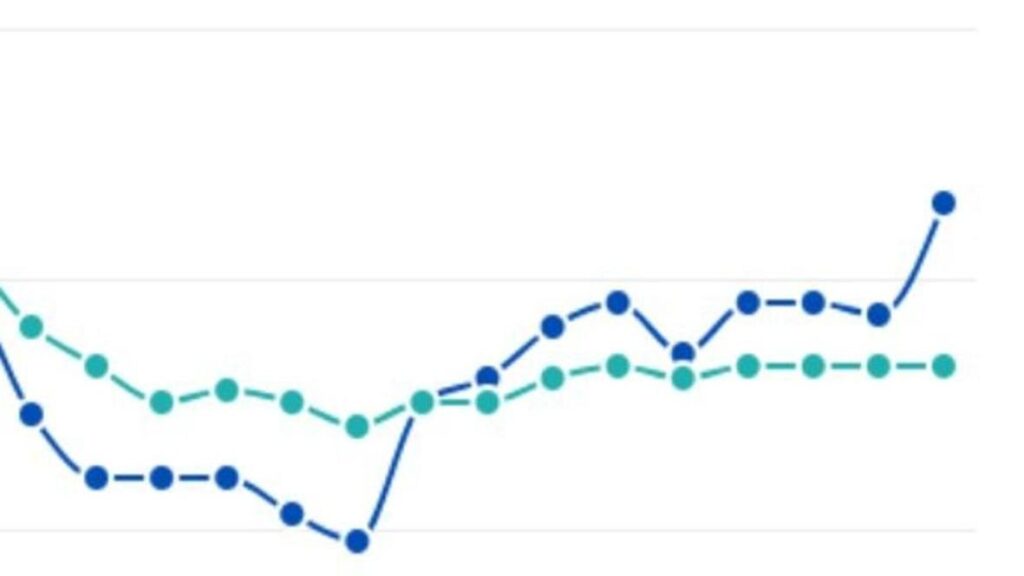
The Consumer Price Index rose 4.6 per cent in the 12 months to March 2026.
The latest number is Australia’s highest inflation since September 2023 when the nation’s economy was rebounding after Covid-19.
The price of petrol soared 32.8 per cent over the month of March, lifting the cost of transportation by 9.2 per cent in just the last 30 days.


Global X senior product and investment strategist Marc Jocum called Wednesday’s figures the tip of the iceberg.
“What we’re seeing is only the visible tip above the surface, but beneath it sits a far larger mass of pressure still building, not yet fully visible in the data, but increasingly hard to ignore in what’s coming next,” he said.
Mr Jocum warned the full impact of the crisis was still unfolding, even though petrol prices had already surged by their largest jump on record.
“As those second-round effects flow through over time, inflation tends to spread more broadly across the economy rather than fade away,” he said.
“The first quarter inflation sets the baseline for where prices begin to track as the Middle East conflict continues, but it’s in the second quarter where the full force and magnitude of those pressures are likely to come through.”

Meanwhile, the all-important trimmed mean inflation – which the Reserve Bank uses as it strips out seasonality and volatility came in at3.3 per cent over the last three months orunchanged over the 12 months until March.
This is still above the central banks target rate of the midpoint between 2 and 3 per cent.
Prior to the release, economist predicted the trimmed mean inflation rate would rise by 0.9 per cent over the quarter, in line with the Reserve Bank’s forecast.
The market is putting an almost 80 per cent chance the central bank raises the cash rate 25 basis points next week, which would be the third consecutive hike.
More to come