


DELBARTON, W.Va. — A half-dozen cars had been in the queue for nearly four hours by the time the House of Hope mobile food pantry line began to move. Seventy or so more idled behind them by 11:30 a.m., when the food distribution began.
The plan was to begin handing out boxes of groceries at 11, but the Facing Hunger Foodbank truck delivering the food blew a tire en route. No one complained.
Perry Hall was among those waiting. His wife, Lilly Hall, volunteers with the distribution team. Perry has been dealing with a form of cancer called multiple myeloma. The Halls get by on around $1,500 a month from his Social Security benefits, plus assistance from the federal Supplemental Nutrition Assistance Program, or SNAP. But because of her age, Lilly, 59, recently became subject to new SNAP work requirements and at risk of losing her benefits.
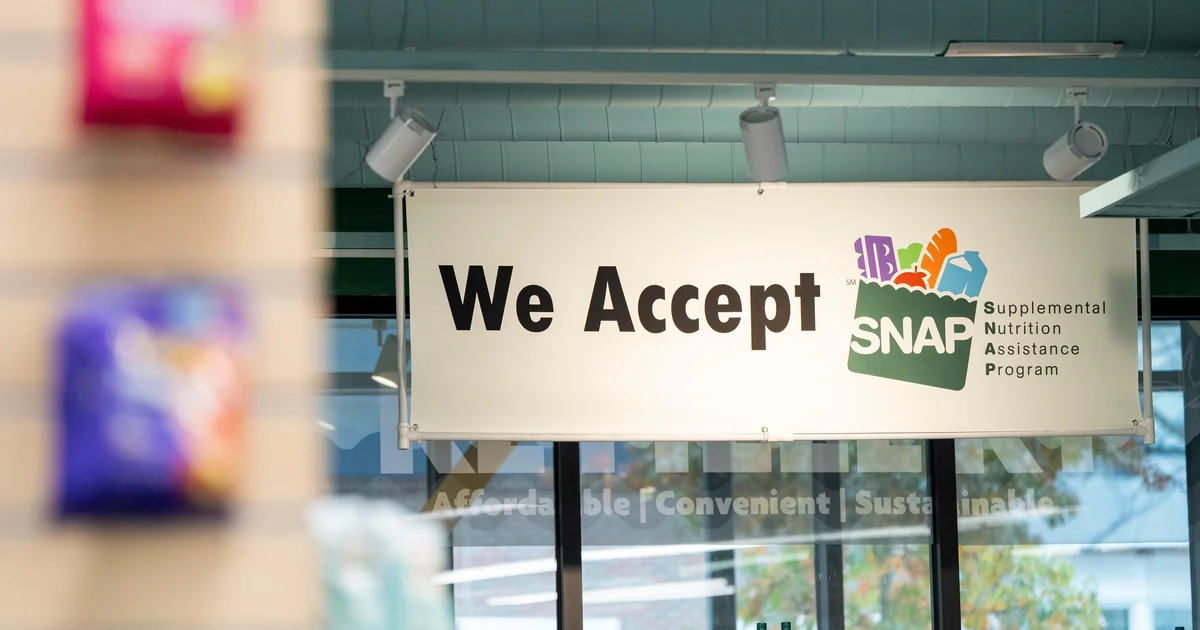
As part of the federal One Big Beautiful Bill Act, all „able-bodied adults“ 64 or younger who don’t have dependents and don’t work, volunteer, or participate in job training at least 80 hours a month are now restricted to three months of benefits every three years from SNAP, formerly known as food stamps. Previously, the federal requirement applied to those 54 or younger. The new rule, which went into effect in November, also applies to parents of children 14 or older. And it removed exemptions for veterans, people experiencing homelessness, and young adults who’ve aged out of foster care.
Proponents of work requirements argue that they incentivize people who are „work-ready“ to seek and keep jobs, reducing dependence on government assistance and upholding the „dignity of work.“
Rhonda Rogombé serves as health and safety net policy analyst for the West Virginia Center on Budget and Policy. She and her colleagues have studied the effects of SNAP work rules and found that requiring recipients to work does not lower an area’s unemployment rate.
Previous work requirements were suspended nationwide during the covid pandemic and reinstated in fall 2023. The researchers found that the average number of people employed in Mingo County each month actually went down after the requirement was reimposed.
A 2018 federal research project that examined several data sources, including SNAP data from nine states, found that work requirements „have no impact on labor force participation and the number of hours worked.“
There are a number of possible explanations, Rogombé said, „but when people are hungry, they’re not able to support themselves. When people are hungry, it’s harder to focus at work. It’s harder to engage in work activity, and we think that that’s part of it.“
Jobs are scarce in this southern West Virginia county. Lilly Hall found work at a Delbarton restaurant. But it’s unpaid until a waitress position opens — enough to preserve her benefits, but far from ideal.
On that mild Wednesday in late March, House of Hope provided chicken, eggs, bread, potatoes, fresh fruit and vegetables, and milk.
Among those in line were older residents and „some young people that have lost their way and they can’t get work and they just need help,“ said Timothy Treleven, who operates the pantry with his wife, Christine, and Gail Lendearo.
Taylor Sisk for KFF Health News 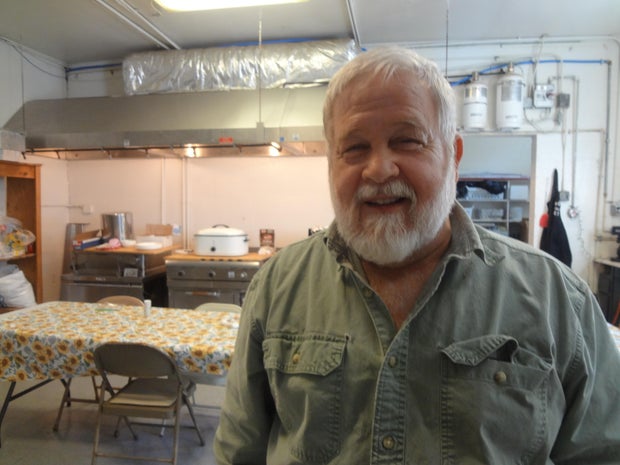

House of Hope’s scheduled distribution day is the last Saturday of each month — supplemented by occasional weekday Facing Hunger visits — as money from monthly checks begins to run out and cupboards go bare.
On a typical Saturday, pantry staff and volunteers hand out up to 400 boxes of food.
„It’s an honor to do this,“ Lendearo said. „It’s a blessing.“
Taylor Sisk for KFF Health News 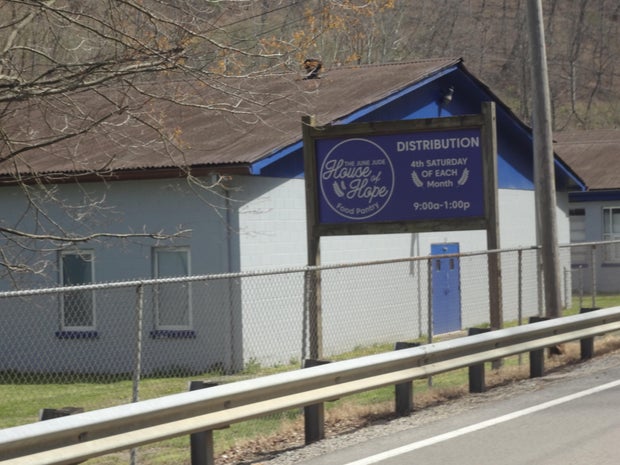
Perry Hall’s cancer is now in remission, but for a while his treatment required that he and Lilly travel back and forth, 4½ hours each way, to Morgantown. The couple’s van couldn’t make the trip, so they paid a friend for rides.
Mingo’s population is just under 22,000, down from around 27,000 in 2010. It once flourished, fueled by coal. Williamson, the county seat, was home to an opera house and businesses operated by immigrants from Italy, Russia, and Syria. The region is still referred to as „the coalfields,“ but little is mined here these days. A quarter of residents live in poverty.
Rogombé and her colleagues found that Mingo County residents face significant barriers to securing what few jobs are available. These include unreported physical and mental impairments, housing insecurity, and a lack of high school diplomas and identification documents.
Filing the paperwork to receive benefits or to confirm compliance is difficult for many residents. The West Virginia Center on Budget and Policy’s research found that about 1 in 4 lack reliable internet access.
Additional changes lie ahead for the SNAP program. Currently, the federal government and the states share administrative costs equally, but in October states will assume 75% of those costs. And beginning in October 2027, they’ll be required to pay additional costs based on error rates.
Kentucky, like West Virginia, is among the poorer states that will be most affected by the new requirements and costs. The Kentucky Center for Economic Policy estimates that up to 114,000 residents risk losing SNAP benefits with the expanded work requirements.
Jessica Klein, a researcher with the center, worries about the consequences. „We know SNAP has an impact on health, and not just because it decreases food insecurity,“ she said. It worsens blood pressure rates, obesity, medication adherence, and more.
With the additional financial burden placed on states, „I think what we’ll see is some states changing rules that impact participation in order to have a smaller, more affordable program,“ Klein said. „My fear is that some states will choose not to operate SNAP at all.“
In Mingo County, folks are stepping up. At least eight food pantries offer groceries to those in need.
Janet Gibson runs the Blessing Barn pantry in the Ben Creek community. „I can go from one end of the creek to the other“ and tell you everyone’s name and a little something about them, she said. She takes pride in feeding her people.
Taylor Sisk for KFF Health News 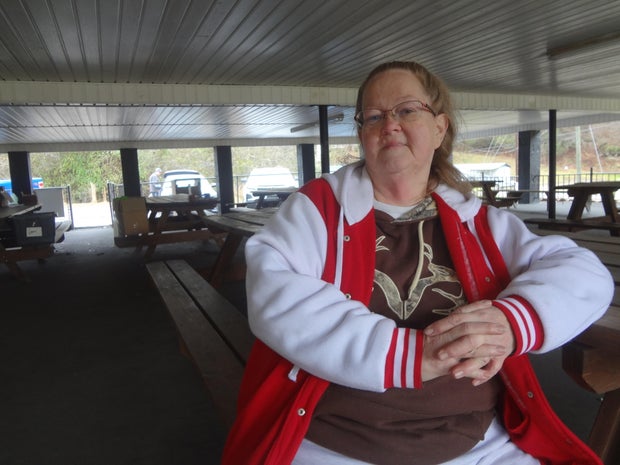
Gibson said it can be hard to find even volunteer opportunities in the county, largely because of transportation challenges. A look at a local map can be misleading: A couple of dozen miles into a holler or up a ridge could take an hour or more.
„Whether you’re working full-time or not, you’re still spinning out gas to get to work,“ Gibson said, „and gas ain’t cheap now.“
A single mother of three, Trista Shankle of Paducah, Kentucky, isn’t subject to the new SNAP requirements, but she worries about the fragility of the social safety net. She overcame challenges, is earning a master’s degree in social work, and works for an organization that connects community college students with Temporary Assistance for Needy Families benefits. Her family receives SNAP, Medicaid, housing support, and assistance from the USDA’s Special Supplemental Nutrition Program for Women, Infants, and Children. If any one of those is cut, she said, she may have to drop out of school.
Shankle is certain she wouldn’t have advanced to where she is today without the benefits she and her family have received: „They bring a sense of calm and comfort. I know that my kids aren’t going to go hungry.“
The first week in April, Lilly Hall reported for work at Black Bear Trails Restaurant. She’s grateful for the opportunity. And when a waitress slot opens, „I’ll snag that position so quick it’ll make your head flip.“
KFF Health News is a national newsroom that produces in-depth journalism about health issues and is one of the core operating programs at KFF — the independent source for health policy research, polling, and journalism.