


A federal judge in Manhattan released the Teamsters from decades of oversight after prosecutors and the union agreed that the influence of organized crime groups had been rooted out.
In an order Thursday evening, Judge Loretta A. Preska of U.S. District Court wrote that she was “duty bound” to accept the new agreement and that she had no intention of serving indefinitely in an oversight role for the union.
The government’s oversight of the Teamsters began with a 1989 settlement in a sprawling racketeering case brought by federal prosecutors in Manhattan, which found that organized crime groups had taken control of the union.
Since then, appointed monitors, election officers and investigators have been charged with cleaning up internal corruption. In 2015, Judge Preska approved a revised agreement that gave the Teamsters steadily more power over their internal affairs.
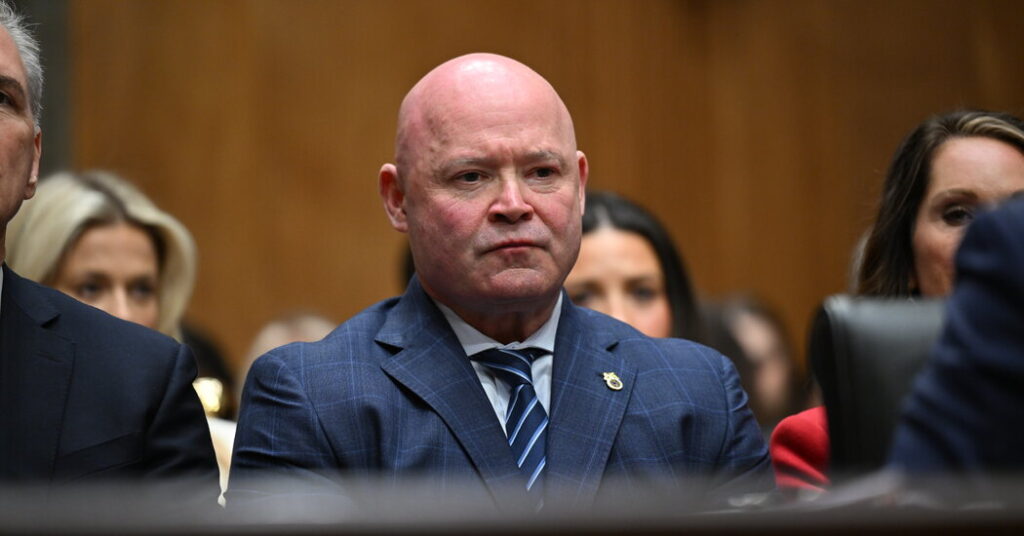
The end of federal oversight is a victory for Sean M. O’Brien, the union president, who had bristled at the external disciplinary and investigative team the agreement established.
Last winter, a lawyer representing the Teamsters reached out to leaders at the Justice Department, asking them to help bring the government’s oversight of the union to a close, The New York Times has reported.
That outreach was possible in part because of ties Mr. O’Brien forged with President Trump during the 2024 presidential campaign. Mr. O’Brien spoke to the Republican National Convention, and the Teamsters’ leadership did not endorse a candidate, a blow to Democrats.
In June, Mr. O’Brien was resoundingly re-elected to a second term. That week, the union and the Justice Department asked Judge Preska to sunset the remaining external control in the settlement.
Several Teamsters members filed letters with the court, urging the judge to keep an independent disciplinary body in place at the union, citing concerns about Mr. O’Brien’s power and his reputation for bullying dissenters.
“The Court has received various objections, primarily from rank-and-file Teamsters members, asserting generalized grievances with Teamsters management,” Judge Preska wrote in her order. But, she said, they “have little to no relevance to the allegations that birthed the original Consent Order.”