


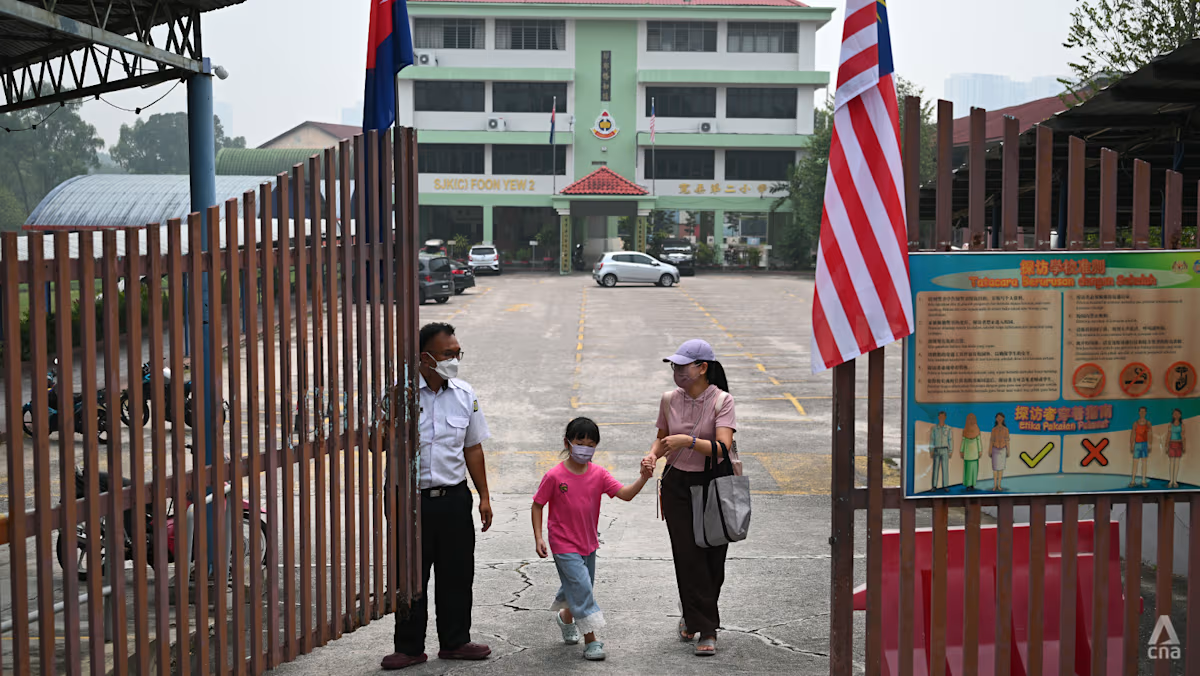
Muhammad Naqib said health and safety measures, including mask-wearing and monitoring school activities based on prevailing API readings, would be implemented.
„The state government and relevant agencies will continue to closely monitor the haze situation, and any changes or further action will be announced through official channels,“ he said.
Schools in Johor were initially closed on Oct 8 and 9, with the closures subsequently extended until Oct 23 due to the haze.
The prolonged closures affected 1,198 schools and more than 617,000 students across Johor, according to an earlier report by The Star.
On Oct 15, Malaysia’s education ministry raised the API threshold for school closures to above 200, while outdoor school activities must be suspended when readings reach 100 or higher.
Previously, schools were required to close when API readings exceeded 180 or remained above 150 for three consecutive days.
Meanwhile, Singapore continues to grapple with haze from regional fires.
Air quality deteriorated across Singapore early on Saturday, with the 24-hour Pollutant Standards Index (PSI) reaching the unhealthy range in all five regions.
At 7pm, PSI readings ranged from 108 to 152, with the highest recorded in western Singapore.
Singapore’s National Environment Agency (NEA) said showers were expected over the weekend, while a shift in wind direction from Sunday could help reduce the amount of smoke haze reaching the country.
However, smoke from fires in Indonesia’s Sumatra and Kalimantan regions continues to pose a risk to air quality in Singapore and neighbouring Malaysia.