


“The market is ripe-ripe-ripe,” Mr. Gross said.
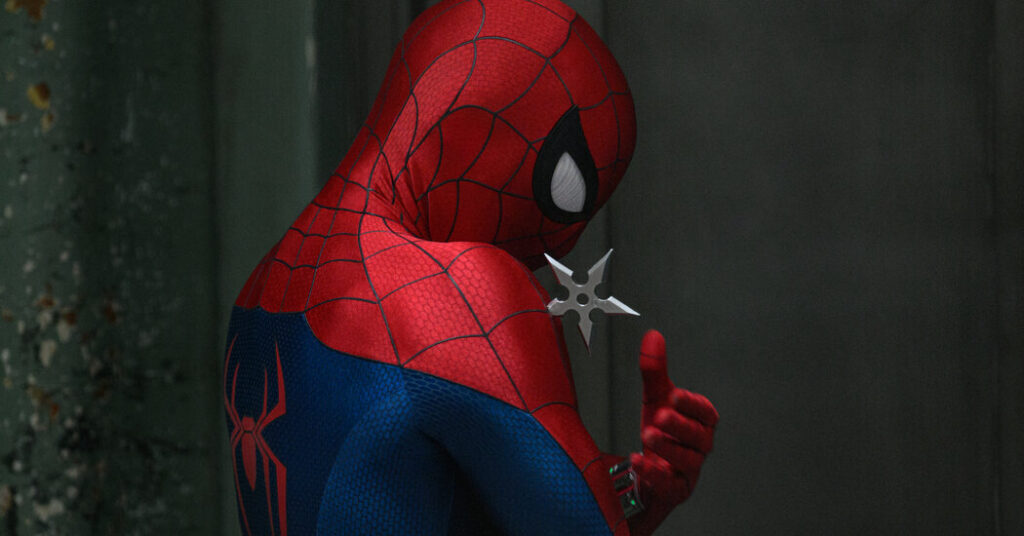
Sony marketed “Brand New Day” as less of a sequel and more of a new start (even the title telegraphed a reset), something analysts said made the film feel special: This is an event, not just another installment in an ever-expanding saga. Rather than mapping out the plot, the trailers withheld major story details, allowing fans to spend months debating what they weren’t seeing.
Since the 1970s, Hollywood has experienced distinct superhero eras, each resetting audience expectations and revealing a new industry strategy. Superman, who reigned from 1978 to roughly the mid 1980s, proved that the characters would resonate beyond children. In the Batman era, which began in 1989, superhero movies became megawatt franchises, replete with a dizzying number of marketing tie-ins and consumer products.
In 2008, when Iron Man ushered in the Marvel Studios era, superheroes become an industrial production, with studios like Marvel and Warner Bros. releasing interconnected films on an assembly-line schedule. It led to a glut. In 2023, one superhero movie after another disappointed at the box office, including “The Marvels,” “Ant-Man and the Wasp: Quantumania,” “The Flash,” “Aquaman and the Lost Kingdom,” “Blue Beetle” and “Shazam! Fury of the Gods.”
Spider-Man has shown that the problem may not be superheroes so much as sameness. Sony has repeatedly found ways to make each new installment feel distinct. Two of the studio’s 11 entries have been animated, embracing a comic-book visual style unlike anything else in Hollywood blockbusters. It has recast the title role in the live-action entries three times.
And now, with “Brand New Day,” it found a way to make a 24-year-old movie franchise come across as fresh — a place for audiences to jump in without feeling as if they had missed years of homework.