



The roll-out of three national funding streams will be fast-tracked in a bid to get capital moving to Australian businesses and strengthen critical supply chains.
From Monday, businesses will be able to access $6.15 billion through the National Reconstruction Fund, as the Albanese Government accelerates three programs to provide low-cost, long-term concessional finance to help them ride out global shocks.
Zero interest loans are available from the $1 billion Economic Resilience Program for businesses impacted by global market disruptions, including those producing and transporting fuels, plastics, fertilisers and agricultural protection chemicals.
A $5 billion Net Zero Fund will support the manufacture of low-emissions technologies such wind, solar and energy storage solutions and the production of low carbon liquid fuels.
And a $150 million Forestry Growth Fund is open to support timber processing for housing construction.
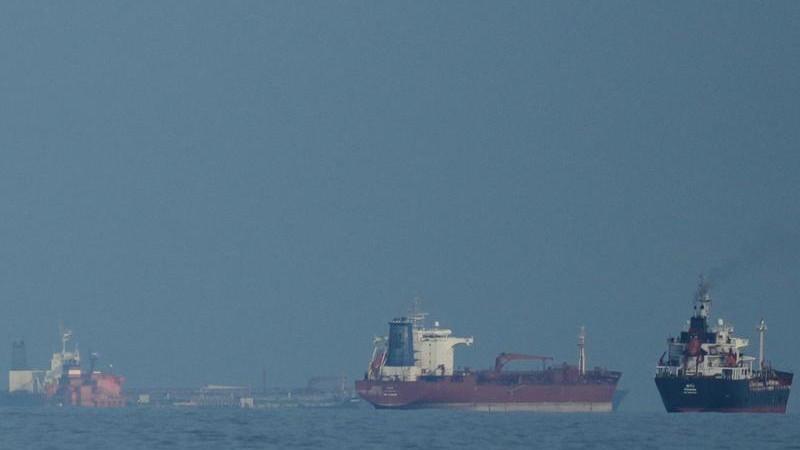
The ongoing Middle East conflict has disrupted shipping through the Strait of Hormuz, creating supply concerns and driving price volatility.
“In an increasingly volatile global environment, strong domestic supply chains matter more than ever, and this funding is about backing the industries Australia relies on, from farming and manufacturing to housing and heavy industry,” Federal Industry and Innovation Minister Tim Ayres said.
“By fast-tracking the roll-out of these funds within the National Reconstruction Fund, we’re easing pressure on businesses facing higher costs and global disruption, so industry and farmers aren’t left exposed, and manufacturers can plan with confidence.”
Finance Minister Katy Gallagher said the government established the NRF to ensure it had a funding vehicle that could back local jobs, strengthen sovereign capability and diversify Australia’s economy.
“This decision to fast track $6.15 billion in funding from the fund for Australian businesses will help to secure Australia’s critical supply chains, with low-cost, long-term concessional finance that supports businesses to invest, grow and adapt,” she said.
Agriculture, Fisheries and Forestry Minister Julie Collins said the investment would complement work already underway with the development of a national food security strategy.

