



„NOT A GOOD LOOK“
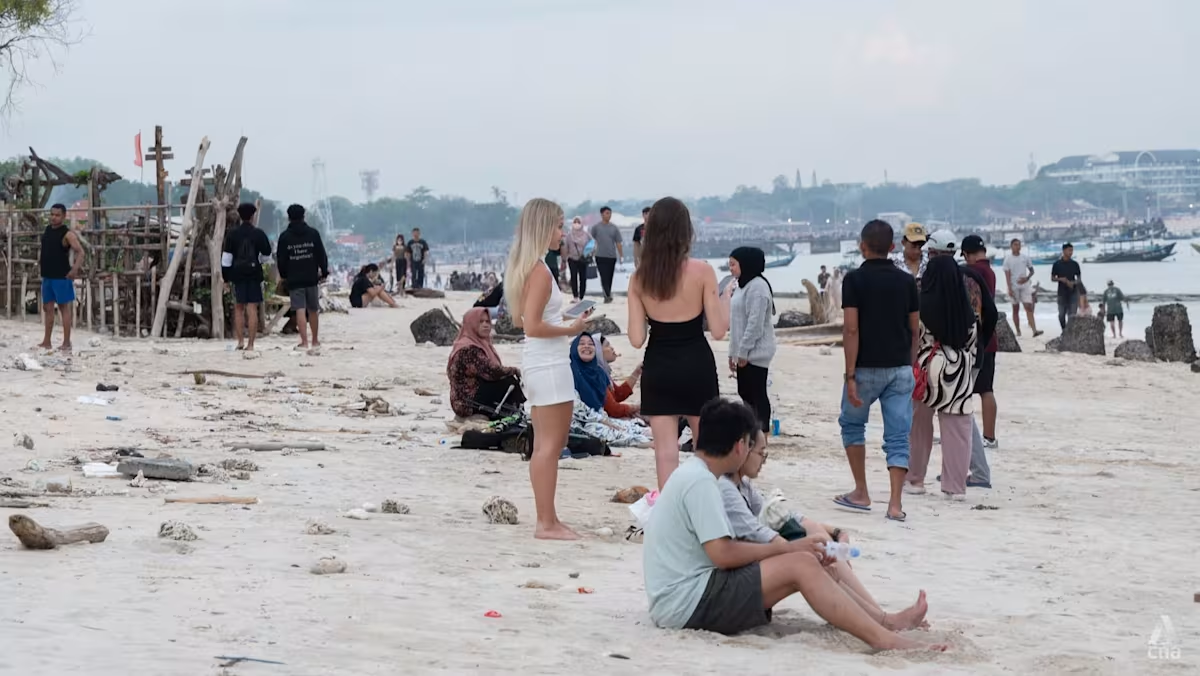
At Kuta beach, a popular tourist spot regularly inundated with plastic debris that washes ashore, rubbish bags are piled up waist-high in a parking lot.
„You have many rats here at nighttime. The smell is not very good … it’s not a good look,“ said Australian visitor Justin Butcher.
Around 7 million tourists visited Bali last year, vastly outstripping the island’s native population of around 4.4 million, and contributing to Bali’s waste output.
People caught dumping or burning rubbish risk up to three months‘ jail time and a 50 million rupiah (nearly $3,000) fine, according to I Dewa Nyoman Rai Dharmadi, the head of Bali’s public order agency, but many feel they have no other choice.
On Apr 16, hundreds of sanitation workers drove waste-filled trucks to the governor’s office in protest.
„If we don’t collect our client’s rubbish, we are in the wrong, if we collect it, where do we dispose it?“ said protester I Wayan Tedi Brahmana.
In response, the local government said it would allow limited disposal of waste at Suwung as a temporary measure until the end of July.
But from August, the government has vowed to end all open landfills nationwide, though it is unclear what alternatives will be in place by then.
„PEOPLE NEED GUIDANCE“
Nur Azizah, a waste management expert at Gadjah Mada University, told AFP the Suwung landfill received about 1,000 tonnes of waste per day and has been over capacity for years.
Up to 70 per cent is organic waste that „is dangerous because over time it generates methane, which could explode and cause landslides“.
This has happened several times, including a March collapse at Indonesia’s largest landfill outside Jakarta that buried trucks and food stalls, killing seven people.

