



After months of resistance, the Justice Department has shared evidence related to three shootings by immigration agents in Minnesota with state and local investigators, the county prosecutor in Minneapolis said on Monday.
The exchange of evidence, which played out quietly in recent weeks, broke an investigative logjam that had hampered state prosecutors weighing whether to bring charges in the fatal shootings of Renee Good and Alex Pretti. Both were U.S. citizens who were killed by federal agents in January during the Trump administration’s immigration crackdown in the state.
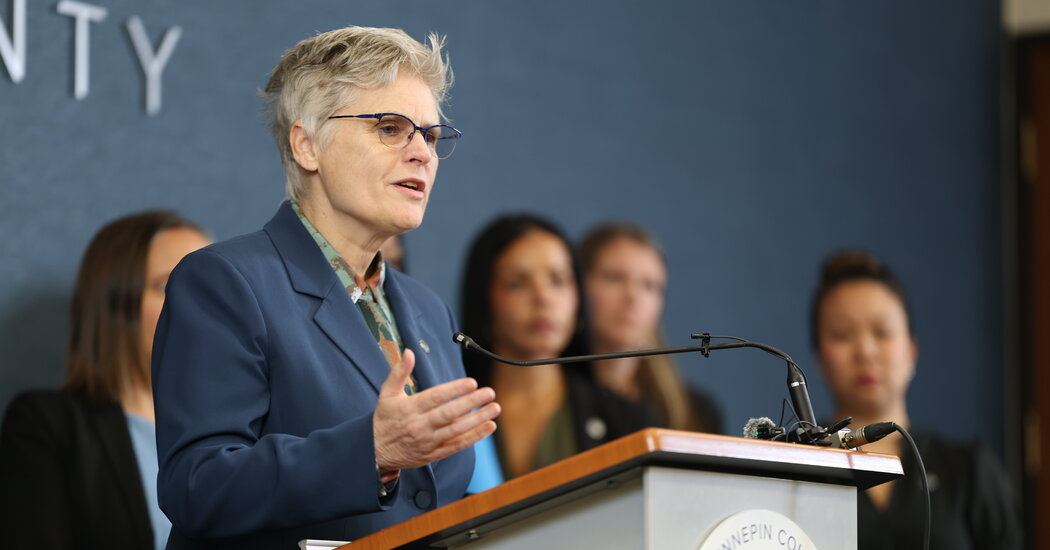
“I have been consistent that we have not prejudged any of these instances, and also that we need transparency, we need cooperation,” said Mary Moriarty, the chief prosecutor in Hennepin County, which includes Minneapolis.
She said Minnesota officials had received “hard drives of previously withheld evidence” from federal officials, including body camera footage from the shooting of Mr. Pretti. State investigators have also taken possession of the vehicle Ms. Good was driving when she was killed, said Ms. Moriarty, who did not provide a timeline for making charging decisions.
The announcement on Monday came after months with little public news about the investigations into the shootings, which led to widespread protests and national outcry over the winter. Concerns about how federal agents are using force and investigating shootings have continued to mount, including after the fatal shooting of a man in Houston last week and of a person in Maine on Monday.
In Minnesota, the immigration crackdown and the response to the shootings marked a nadir in state-federal relations. The Trump administration accused the Democrats who govern the state of obstructing immigration enforcement, while Minnesota officials described the campaign as an unlawful invasion. Longstanding relationships between state and federal law enforcement agencies broke down, with state officials largely being denied access to evidence and interviews.
Though state and local prosecutors vowed early on to look into the shootings, they said they were stymied by the lack of cooperation from federal officials, who refused to provide information as basic as the names of the agents who fired. Strongly worded letters and a federal lawsuit demanding access to evidence failed to break that impasse.
It was not immediately clear what caused that to change. Ms. Moriarty said Minnesota officials had also provided evidence from the shootings that they had collected to their federal counterparts.
Hoang Bui, a spokesman for the federal prosecutor’s office in Minnesota, declined to comment on Monday. Justice Department officials in Washington did not immediately answer questions about the evidence sharing and about the status of any federal investigations into the shootings. White House officials declined to comment. The exchange of the evidence was reported earlier by The Minnesota Star Tribune.
With little federal help until recently, Ms. Moriarty’s office has tried other approaches to gather evidence against agents accused of wrongdoing during the immigration crackdown. In May, her office filed assault charges against Christian Castro, an Immigration and Customs Enforcement officer accused of shooting and wounding a man from Venezuela during the Minnesota campaign. Key aspects of the federal government’s initial description of that shooting were contradicted by video.
Mr. Castro was arrested in Texas and remains jailed there. He has not agreed to be extradited to Minnesota.
Minnesota prosecutors have acknowledged that they face formidable practical and legal challenges in prosecuting federal agents for on-duty conduct. The Supremacy Clause of the Constitution gives federal officials broad immunity from state prosecution, but Minnesota officials say those protections are not absolute. Federal agents who are charged in state court can also seek to have the cases against them moved to federal court.
Law enforcement officers are allowed to use deadly force if they reasonably perceive an imminent threat of death or great bodily harm to themselves or someone else.

