



A “RALLYING CRY” FOR DOMESTIC CONSUMPTION
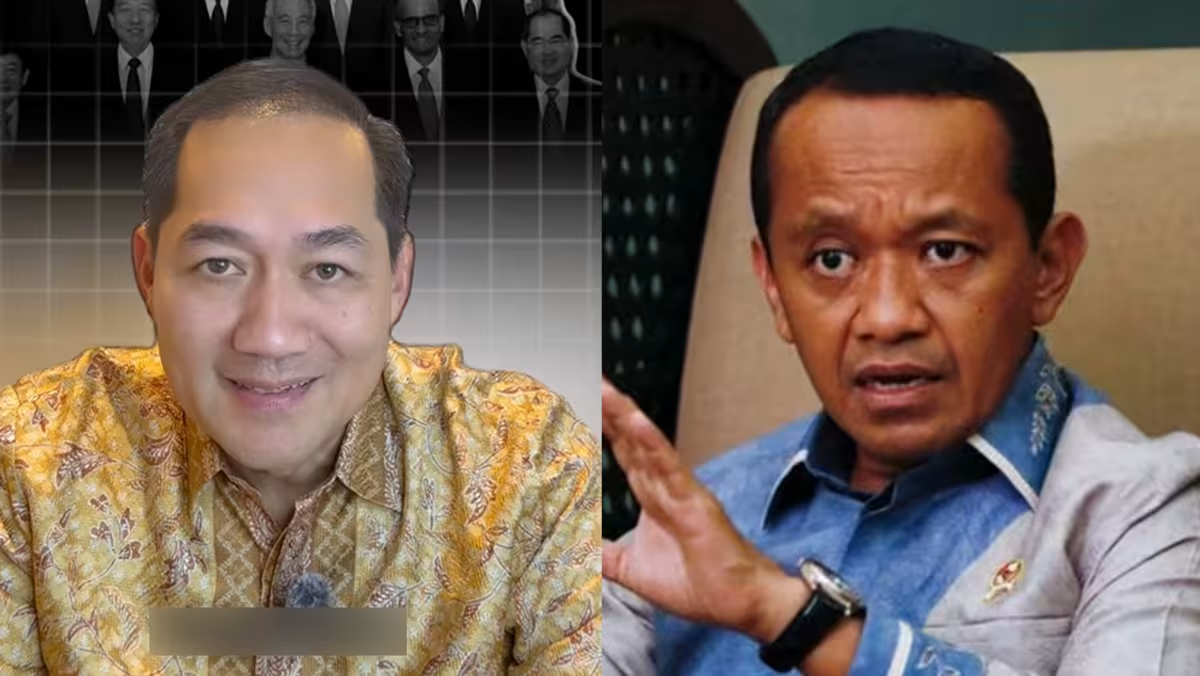
Analysts told CNA that the remarks by the Indonesian politicians should be viewed in the context of the country’s domestic political and economic pressures. They cautioned against reading too much into the criticism targeted at Singapore.
“The fiery and many times negative rhetoric is best read as aimed at a domestic audience for the countries involved, especially in Indonesia where resource nationalism is a popular cause,” said Mr Muhammad Garda Ramadhito, associate research fellow at the S Rajaratnam School of International Studies (RSIS).
Mr Made from ISEAS added: “(The comments) are a form of political posturing by these politicians.”
“These seemingly anti-foreign statements are intended for domestic consumption, serving as a rallying cry,” he told CNA.
Associate Professor Chong Ja Ian of the National University of Singapore (NUS) political science department similarly pointed to broader frustrations within Indonesia, noting that Singapore was “not the only focus of ire among Indonesia’s politicians”.
“Malaysian politicians, companies, and other Indonesian political figures have also come in for criticism in Indonesia,” he noted, highlighting Mr Lutfi’s criticism of Malaysia’s Muar Member of Parliament Syed Saddiq Abdul Rahman.
Speaking in parliament during a debate on Malaysia’s 2027 Budget on Oct 13, Mr Syed Saddiq had called on his government to rally ASEAN countries to exert diplomatic pressure over the haze and to treat Indonesia as an “outcast”.
In a video posted on Instagram on Oct 20, Mr Lutfi said Mr Syed Saddiq was overlooking the role of Malaysian companies operating in Indonesia’s plantation sector.
“I’m disturbed when my entire country is ridiculed by politicians just to score cheap points in parliament,” said Mr Lutfi.
Mr Made said that such rhetoric is being driven by mounting economic pressures in Indonesia, where people are increasingly “feeling the pinch” of difficult economic conditions.
Directing criticism towards neighbouring countries could also be seen as a way for political figures to appeal to domestic audiences and divert attention from the country’s economic challenges, he added.
Analysts also said that the comments made by Mr Lutfi and Mr Bahlil did not reflect the broader position of Prabowo’s administration, saying that the government’s conduct has been “more conciliatory”.
Mr Ramadhito of RSIS pointed to Mr Prabowo’s call with Malaysia Prime Minister Anwar Ibrahim in early October, during which the Indonesian president agreed to take action over the worsening haze.
“Prabowo himself has not endorsed these remarks (slamming Singapore and Malaysia)” he added.
Other establishment figures in Indonesia have also adopted a more collaborative tone towards Singapore and Malaysia.
Former Indonesian deputy foreign minister Dino Patti Djalal had described Singapore as a country with “goodwill, trust and a proven track record of cooperation with Indonesia”.
Without naming Mr Lufti, Mr Dino added that any claim that Singapore was conspiring against Indonesia’s equity market “doesn’t make sense”, pointing to the island nation’s substantial investments in Indonesia on top of its assistance during past crises such as natural disasters and COVID-19.
Mr Dino said: “Singapore has a vital interest in Indonesia’s political and economic stability because it is one of the countries most affected whenever political and economic turmoil occurs in our country.
“As a small country geographically squeezed between Indonesia and Malaysia, it is taboo and forbidden for Singapore’s political elite to conspire to harm Indonesia. Just as it is taboo and forbidden for Indonesia to harm Singapore.“
Mr Dino stated that Singapore’s policy towards Indonesia is always to maintain cooperation and mutual trust and “not to carry out malicious acts and sabotage”.
“We often speak of ‘a thousand friends are too few, one enemy is too many’. It would be highly contradictory if we treated our closest neighbour Singapore as an adversary and with deep suspicion,” he said.
Mr Dino’s comments reflected an interest among Indonesia’s foreign policy professionals to maintain stable bilateral ties, said Mr Ramadhito.
Ms Lau also said Singapore and other countries had offered assistance to Indonesia to tackle the haze, even as nationalist sentiment complicated efforts to address the crisis.

