



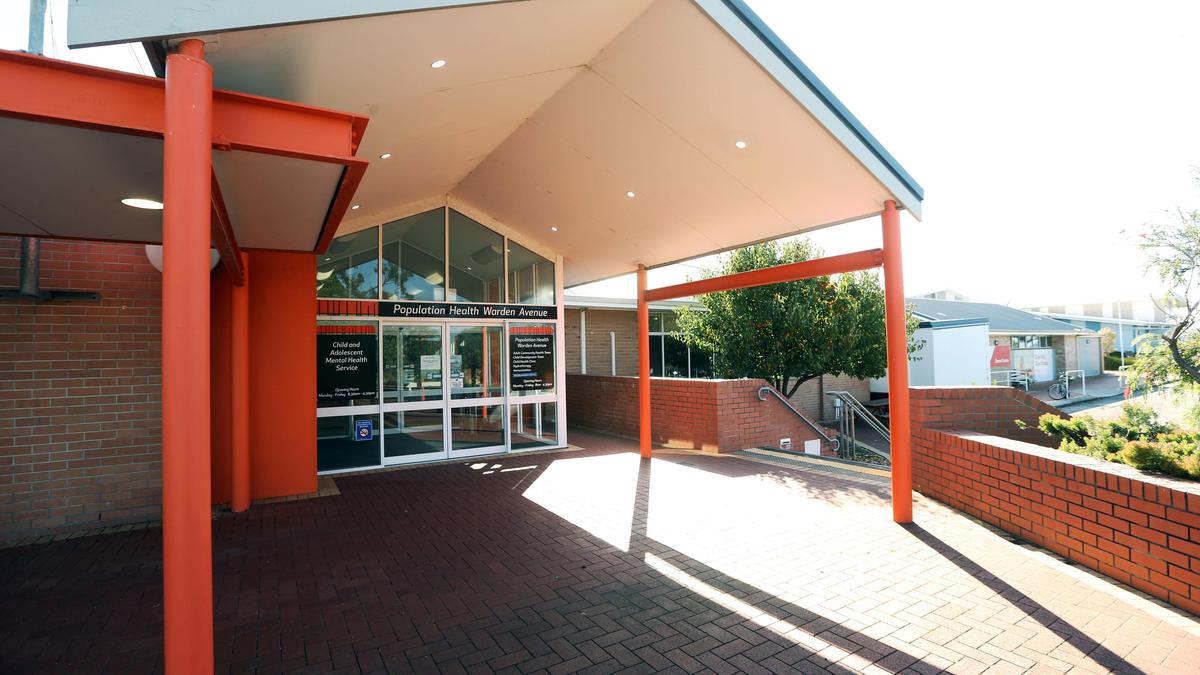
The future of Albany’s only alternative urgent-care medical service hangs in the balance, as its funding stream ends on June 30 and the Federal Government considers shifting funding focus elsewhere.
Albany MLA Scott Leary raised concerns for the future of the Albany Afterhours GP Collaborative this month, saying the clinic’s funding may be sliced after the end of the 2025-26 financial year as the Federal Government looks to promote Medicare urgent care clinics.
While these clinics effectively fill the same role in the system as the Afterhours GP Collaborative, there have been no plans announced for Albany to have its own Medicare clinic.
The closest Medicare urgent care clinic to Albany is located in Bunbury, more than 300km away.
The only other regional Medicare clinics in WA are in Geraldton and Broome.
The Albany Afterhours GP Collaborative launched in Albany in 2018 on a one-year trial, then was officially adopted and has continued to operate since then.
The clinic operates on weekends and public holidays and is run by nurse practitioners, with the support of GPs.
It is located adjacent to the Albany Health Campus so patients can easily be transferred to the emergency department if necessary.
However only 65 patients treated at the clinic in 2025 needed to be referred to the emergency department, and more than 2000 were able to be treated in the clinic without a referral.
The clinic is funded almost entirely by Commonwealth government grants, $498,731 of its total $499,144 income in 2025, with the money directed from the Federal Government through the WA Primary Health Alliance.
The clinic’s current funding round ends this financial year, and practice manager Julie Pietrala said WAPHA had recently approached the clinic’s management team to let them know that it was likely they would be de-funded after June 30.
Mr Leary said leaving Albany without an after-hours service alternative was unacceptable, and said funding should be extended until a replacement model could be put in place.
“Cutting a proven, cost-effective service in Albany while funding new clinics elsewhere simply doesn’t make sense,” he said.
“With winter approaching, this risks worsening congestion and wait times at our hospital.
“Funding must be extended beyond June 2026 to ensure this service continues until a replacement model is in place.
“Albany already has a model that works, it should be supported, not shut down.”
Mr Leary said he had raised the issue with Federal Health Minister Mark Butler, as well as the WA Health Minister Meredith Hammat, calling for urgent action.
Federal member for O’Connor Rick Wilson said Albany hospital’s ageing infrastructure and stretched staff could not handle the extra burden.
“Albany does not have the luxury of easy access to metropolitan health services,” he said.
“But we do have an ageing population, significant aged-care demand, large numbers of people accessing disability and community services, and residents travelling from surrounding small towns and communities for health care.
“When an after-hours GP service disappears, there is nowhere else for people to go.
“When that happens, the emergency department becomes the default — not because it’s appropriate, but because it’s the only option.”
A State government spokesperson said WA representatives had raised the issue with the Federal Government, and had been advised the Federal Government would engage directly with the community.
A spokesperson from the Federal Department of Health, Disability and Ageing said funding for the program after June 30 would be “subject to budget processes”.

