



Foreign leaders have addressed joint meetings of Congress more than 120 times since 1874, when King David Kalakaua of Hawaii, then still a sovereign state, started the tradition. But the number of kings and queens among them is relatively few.
On Tuesday, King Charles III became the 11th monarch to do so, and the first since King Abdullah II of Jordan in 2007.
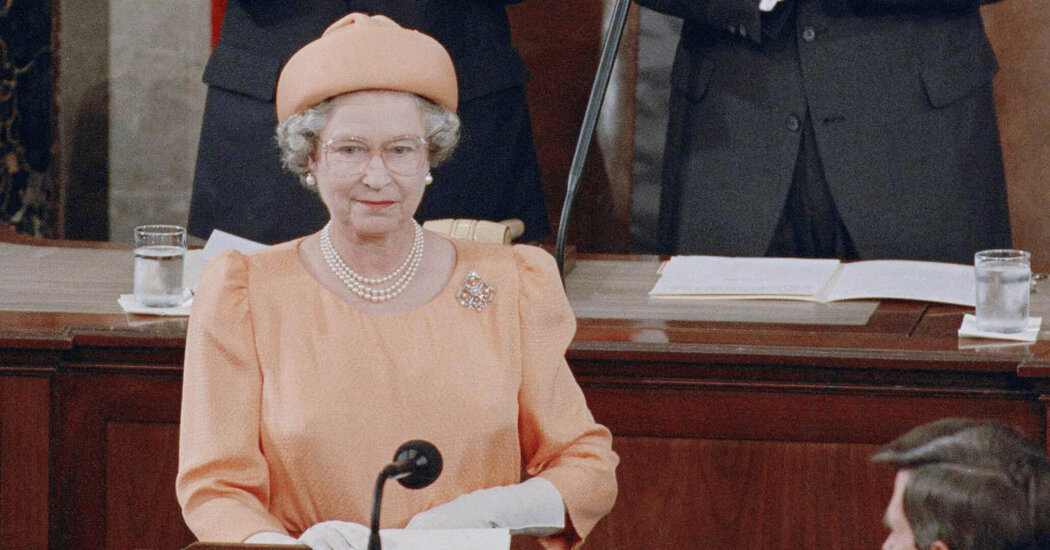
He also followed his mother: Queen Elizabeth II used her 1991 address to Congress to champion the “Atlantic alliance” of Europe and the United States, a relationship she said was based on the belief that societies should be governed by consent and stability rather than through domination.
In the aftermath of the Persian Gulf War — which Britain had joined — and against the backdrop of the Iron Curtain’s slow-motion collapse, Elizabeth thanked the United States for its loyalty and friendship while warning against an overreliance on military force.
“All our history in this and earlier centuries underlines the basic point that the best progress is made when Europeans and Americans act in concert,” she said.
Nor did she miss an opportunity to crack a joke. When the queen, who measured 5 feet 4 inches, had stood up to begin an address at the White House earlier that week, her lectern was so tall that only a bobbing hat had been visible to those standing. “I do hope you can see me today,” she quipped before congressional lawmakers.
Not everyone was laughing. A delegation of Congress members led by Representative Joseph P. Kennedy II, Democrat of Massachusetts, boycotted the queen’s speech in protest against Britain’s actions in Northern Ireland. For many advocates of a united Ireland, the crown continued to be a toxic emblem of British colonial oppression.
Representative Gus Savage, Democrat of Illinois, shunned the speech for a different reason: Britain’s decision to lift economic sanctions on South Africa, which was still negotiating an end to apartheid. He called Elizabeth the “queen of colonialism.”
King Charles’s visit also comes at a delicate time, though one of a very different nature and with no sign of plans for a boycott. Britain has not joined the latest American military venture in the Middle East, infuriating President Trump and straining ties with the United States.

