



As heavy rare earths, scandium and gallium prices soar, Mount Ridley Mines has kicked off a strategic re-assay program of 3300 historical drill pulps in a move to deliver low-cost, near-term resource growth for a suite of critical minerals at its Grass Patch project near Esperance in Western Australia.
The company says the program is a high-impact pathway to unlock existing value from a mammoth resource footprint, targeting upgrades and expansions to high-demand heavy rare earth elements (HREE), scandium and gallium resources.
The initiative follows a recent data deep dive that unearthed a remarkable opportunity – a stockpile of around 17,000 drill pulps from previous campaigns that were never assayed for scandium.
For those with a memory for market-moving events, this strategy should sound familiar.
Last year, a similar re-assaying exercise by Mount Ridley for the then-overlooked mineral gallium resulted in the company tabling a monster 838.7-million-tonne gallium resource in October. The news sent the company’s share price skyward, running up more than tenfold and proving just how much value can be hidden in plain sight within old data.
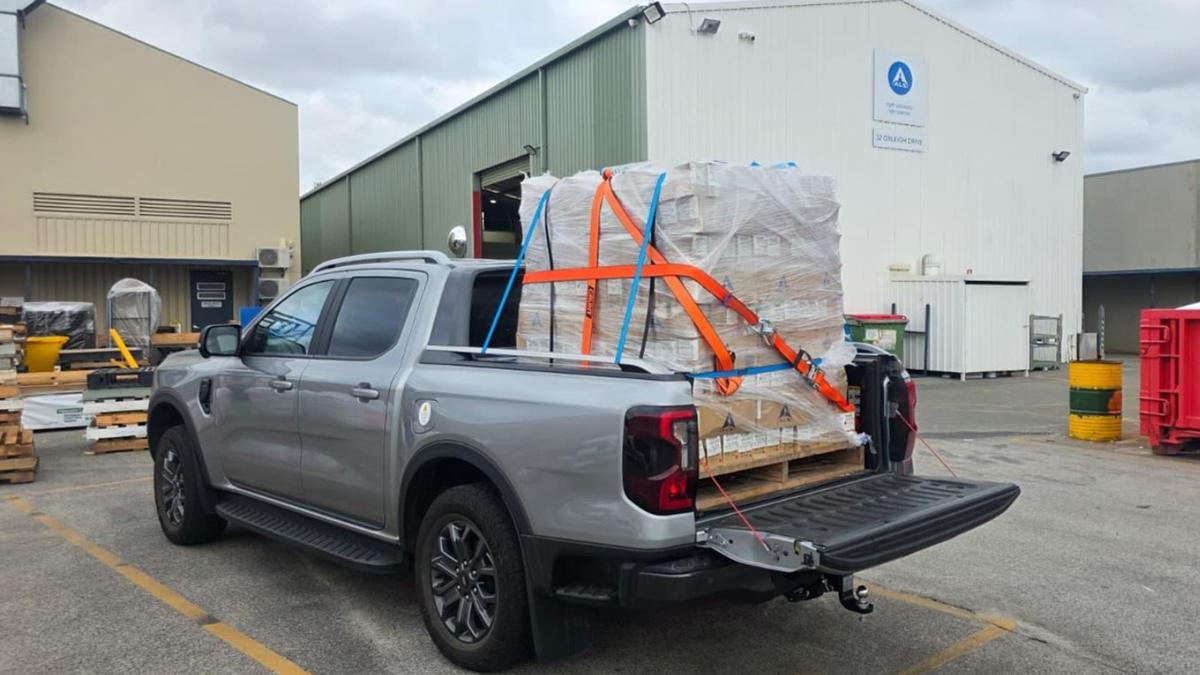
Mount Ridley says its first batch of samples has been selected from 134 historical diamond and air-core drillholes to fill gaps in the existing assay data across its Grass Patch Complex.
In addition to testing for scandium, the program is expected to improve data coverage for HREE and gallium mineralisation, with management believing that advances in modern analytical techniques and lower detection limits could also provide a more complete understanding of its historically drilled samples.
The beauty of the approach is its efficiency, allowing Mount Ridley to potentially build out its resource inventory at a low cost through re-assaying.
This program represents a fantastic opportunity to unlock additional value from our extensive historical sample inventory in a low cost and time efficient manner. The identification of a large volume of unassayed pulps provides a clear pathway to potentially expand and upgrade the Mineral Resource across our high value asset base at Mount Ridley.
The company’s flagship Mount Ridley project is 25 kilometres north of the deep-water port of Esperance and already hosts defined resources of HREE, scandium and gallium, delineated from about 70,000 metres of historical drilling.
A recent inferred resource came in at an impressive 122.6 million tonnes grading 889 parts per million (ppm) total rare earth oxides (TREO), hosting 108,954 tonnes of contained TREO, with a notable 44,610 tonnes of that sitting in the HREE basket.
While a substantial amount of work has already been done, the project remains largely underexplored relative to its scale and geological endowment, with several walk-up drill targets ready for the drill bit.
Mount Ridley says it is essentially looking to repeat its recent success by turning old dirt into new numbers on the resource ledger. The market has already seen what can happen when the company dusts off its historical samples and gives them a fresh look with modern technology.
While there is never a guarantee that lightning will strike twice, the logic is sound and with a fresh batch of 3300 samples on the way to the lab, it might not be long before we see if this particular treasure hunt pays dividends once again.
Is your ASX-listed company doing something interesting? Contact: matt.birney@wanews.com.au

