



More and more West Australians relying on income support or minimum wage are falling through the cracks in housing, with fewer rentals than ever being accessible to those struggling most.
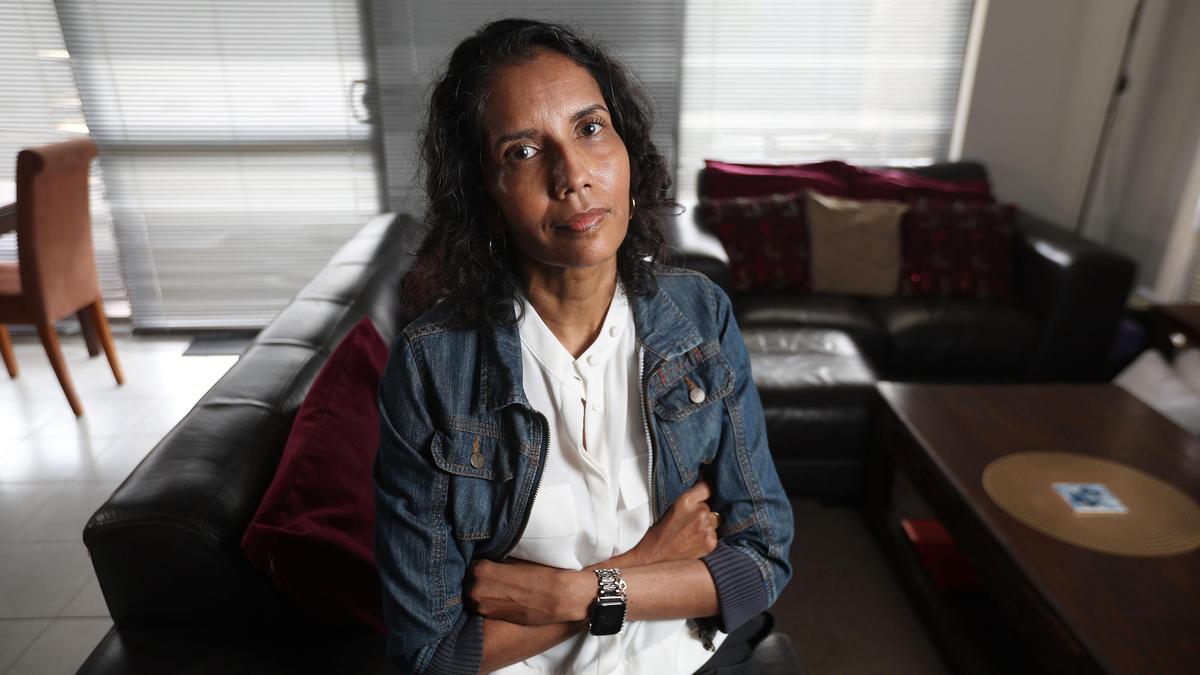
One such struggling renter is Nicolette Murphy who was diagnosed with multiple sclerosis in 2010 and has since been forced to move homes multiple times when rent inevitably exceeded what she could pay.
Ms Murphy has to use her entire disability pension to pay rent, relying on her parents in the UK to support her for buying things like groceries and completing online surveys to earn some modest yet crucial funds.
She pays $600 per week, a marked increase from the $380 per week when she first moved elsewhere in the suburb around 15 years ago.
Ms Murphy has again been forced to find a new home, after being told her lease would not be renewed.
After a stressful search, Ms Murphy finally found a new place, with rent only slightly higher at $630 per week.
She says the search was hard with her disability, and highlighted just how many people were desperate.
“Finding the rentals were very difficult with regards to turning up, finding somewhere to park. I actually use a walker so you’re parking so far from the house, having to walk back,” she said.
“Then you may get to the house, and it’s got steps and so it’s not accessible, therefore I have to take someone with me to help me on my walk, or they can actually push me, so you have to plan it out.
“So many people are turning up and it’s so depressing, so stressful when you can’t get up the steps and you’re trying to get up the steps and people behind you, it’s a lot of people, they’re all in the same situation, or maybe a worse situation than mine.”

Ms Murphy is one of thousands in a similar position as data reveals just 13 of the more than 3300 listed private rentals in WA were affordable for households on income support.
According to Anglicare’s Rental Affordability Snapshot, not a single listed property was affordable for a household receiving JobSeeker or Youth Allowance.
Ms Murphy said despite her position, she is still fortunate as many don’t have homes at all.
“The Government has supported me with my disability pension, but there are others, I always think of others, because there are people that are homeless and living in cars and living in tents in Perth,” she said.
“I think it’s ridiculous.”
With the median rent in Perth increasing to $750 per week, a 74 per cent increase compared to 2021, Anglicare WA estimates a household income of $130,000 is needed to afford median rent at less than 30 per cent of your income.
Anglicare WA chief executive Mark Glasson said significant reform was needed but warned there was no quick fix.
“It took us 20 years to get here or more, it’s going to take us 20 years at least to get out,” he said.
“We can’t build the houses in the time frame that we need, in the time frame that we’ve got so we have to put those emergency measures in place to ensure that people are looked after until we get there.
“My hope is that with brave and bold government we will get there, but it’s not going to happen tomorrow.”
Mr Glasson called for emergency measures like rent caps and a rethinking of housing related taxes. He also called on the State Government to ban no-grounds evictions.

