



JAKARTA/KUALA LUMPUR: A crowd gathered by the rubbish-strewn banks of the Ciliwung River as workers from the Jakarta Environmental Agency cast their nets into its neck-deep, milky-brown water.
Moments later, the nets came up heavy, drawing cheers from about two dozen men, women and children from the neighbourhood.
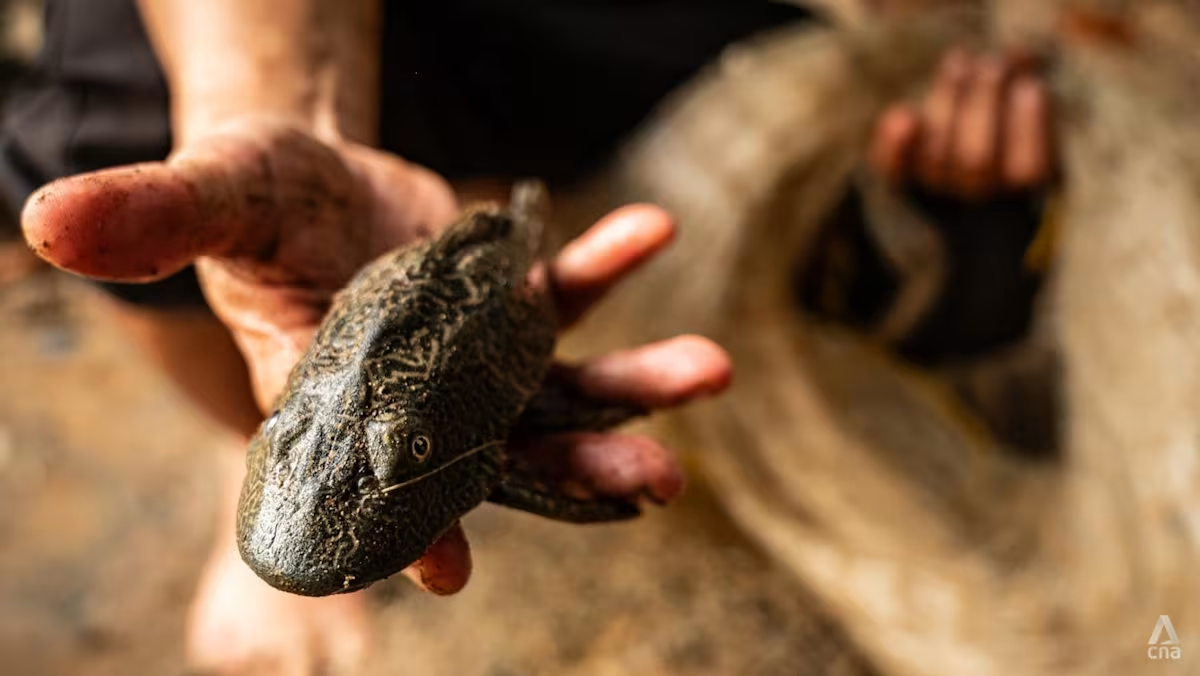
In just two hours on Thursday (Apr 30) morning, the workers netted more than 200 fish. All of them were suckermouth catfish, known as sapu-sapu (broom) in Indonesia and „janitor fish“ in some other Southeast Asian countries.
The fish, belonging to the Pterygoplichthys genus, are native to the tropical waters of South America half a world away.
But the bottom feeder has become the dominant – sometimes, the only – species in nearly all of Jakarta’s polluted rivers, lakes, reservoirs and canals, sharply reducing populations of native fish such as the Asian redtail catfish, spotted barb and striped snakehead.
“People here first noticed the presence of sapu-sapu back in the 1980s,” local resident Baharuddin, 69, told CNA. “Back then, it was easy to find other types of fish. But now, this part of the river is 100 per cent sapu-sapu.”

